The Clarity of Christmas
The Clarity of Christmas
If we’re not willing to be humbled, we’ll never grow.
We often talk about growth as worldly progress: forward motion and momentum, becoming “more.”
God seems less interested in that version.
He grows us by making us smaller first.
This is why Christmas is actually unsettling.
The Incarnation isn’t God dropping by in human form for a cameo appearance.
It’s God placing Himself, quite deliberately, inside the mess of human weakness, exposed to hunger, misunderstanding, rejection, and ridicule.
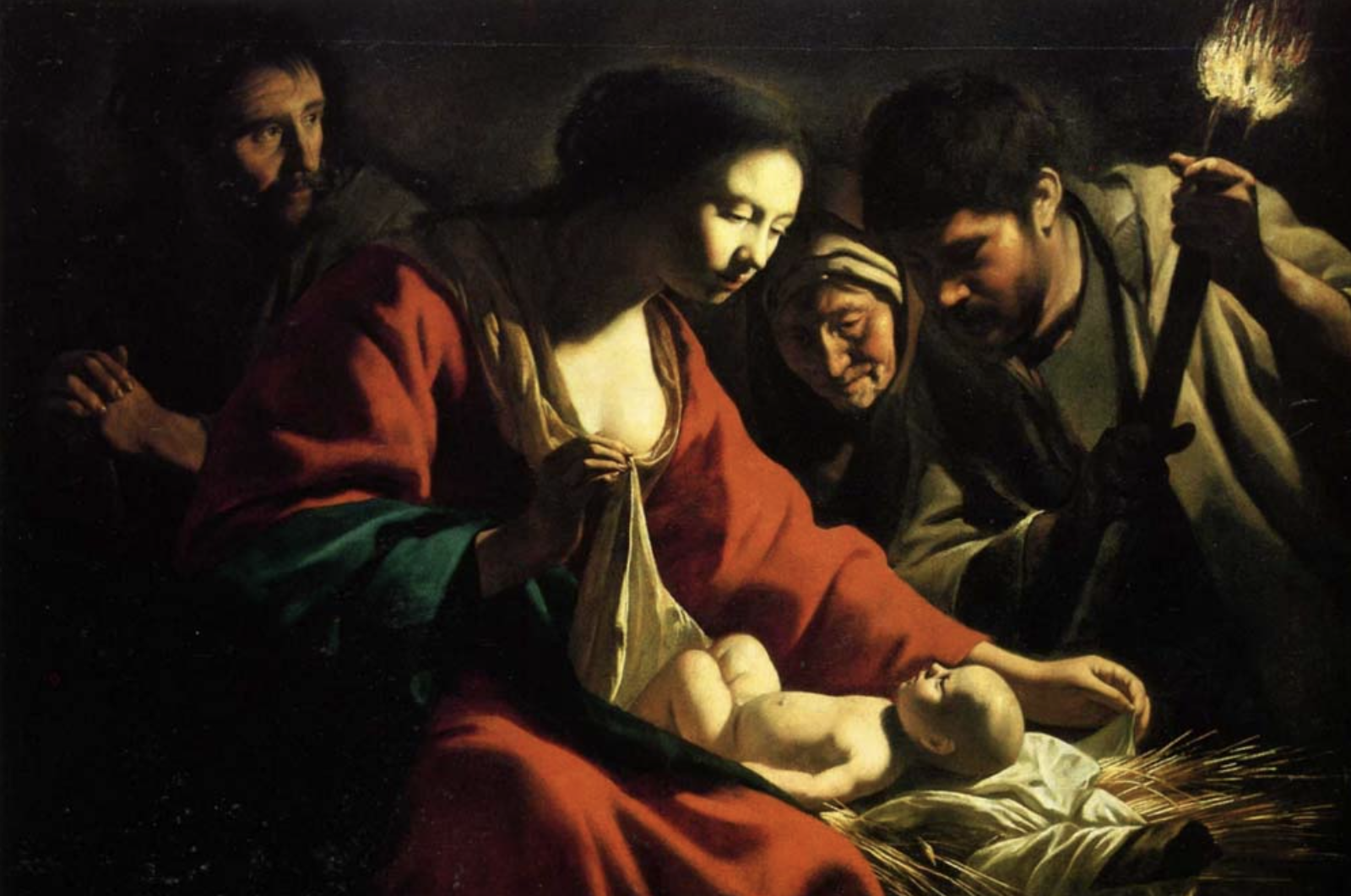
Without armor or a safety net, the eternal Word enters the world not as a conquering force, but as a baby who cannot even lift His own head.
And this is the clarity of Christmas: humility is not a spiritual accessory. It’s the only soil in which real growth occurs.
Without it, spiritual life cannot take root.
Pride doesn’t just slow growth, it makes it impossible. For we cannot receive what we refuse to kneel before.
—
We tend to imagine humility as self-disdain, but that’s not it.
It's not self-deprecation or being a "wimp," but rather the virtue that allows you to see yourself as God sees you - a wonderful creation, but one whose every good gift and strength comes from Him, requiring Him for everything.
Christmas insists that humility is not beneath God Himself. If anything, it is the very place He chooses to dwell.
The paradox of the Prince of Peace and His Nativity is not just that God becomes human, but that He becomes this kind of human: poor and vulnerable to contempt.
God does not hover above the human condition offering advice; He steps into it and accepts its weight. He takes on the very fragility we spend most our lives trying to avoid.
And that leaves us with an uncomfortable realization:
If we refuse humility, we are not just refusing a virtue. We are refusing the very shape of Christ’s life.
The God who comes to us at Christmas does not meet us where we feel impressive, competent, or in control. He meets us where we are small enough to receive Him.
There is something almost comical about it, in the best sense. The One who holds the cosmos together must be held. The One who gives breath to every living thing must learn to breathe.
If that feels absurd, it’s because we confuse greatness with self-sufficiency and prestige.
Christmas quietly dismantles that illusion.
It tells us that growth doesn’t begin when we finally get our act together. It begins when we stop pretending we already have.
The life God wants to give us cannot be seized or managed. It can only be received, and receiving always requires open hands and an open heart.
The manger, it turns out, is not for the impressive. It’s for the humble. And that may be the most hopeful news of all.
Onward and upward,
Ted
A Christmas Poem Worth Reading
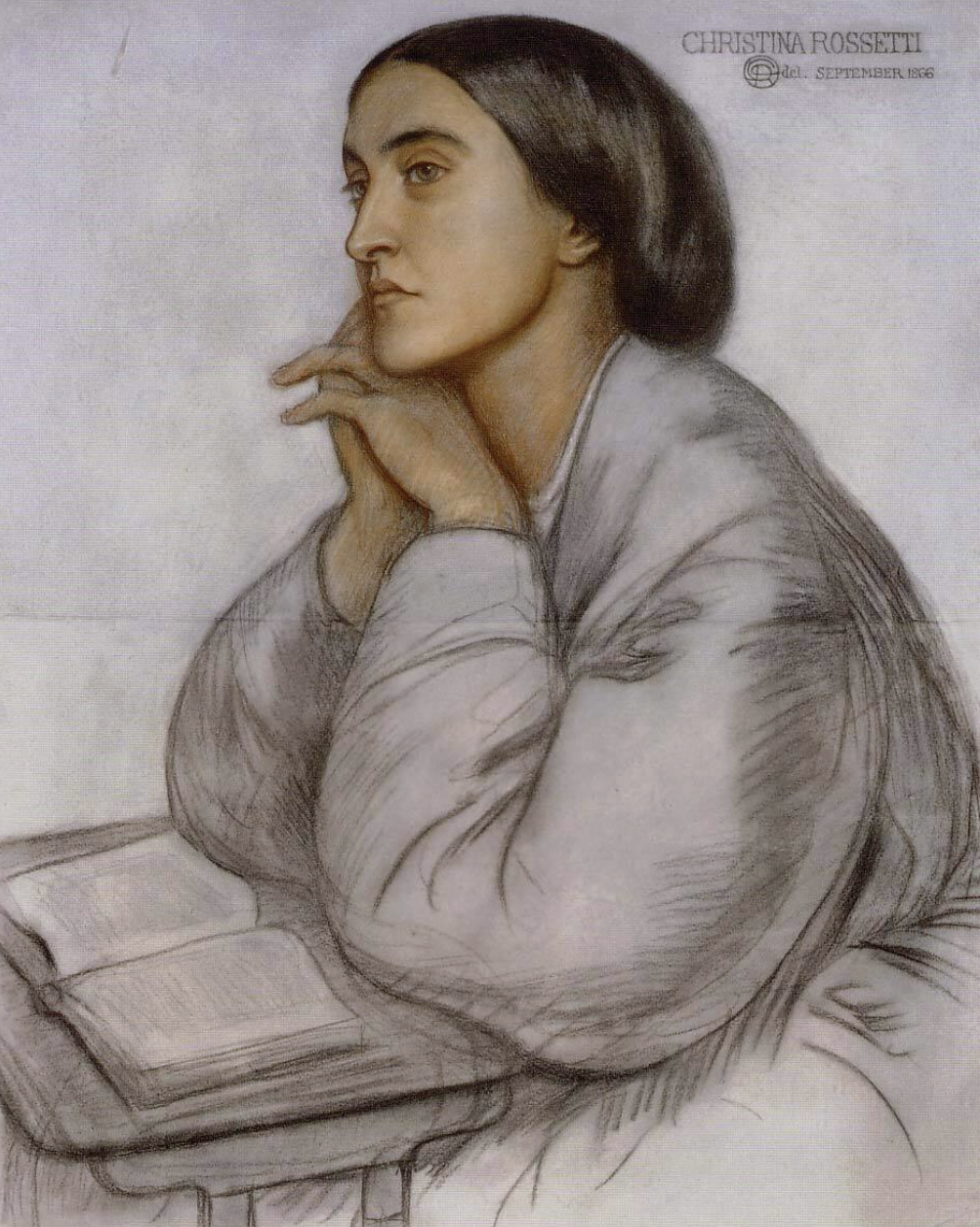
Christina Rossetti’s "In the Bleak Midwinter" contrasts the cold poverty of Christ’s birth with the infinite majesty of God entering the world in humility. The poem culminates in a deeply personal response, suggesting that the truest gift one can offer is a willing heart surrendered in love.
You might enjoy Gustav Holtz’s musical rendition.
If you’ve enjoyed these reflections, please consider a paid membership or buy me a coffee.
If now isn’t the right time, I’d be grateful if you shared Into Deep Water with a friend.